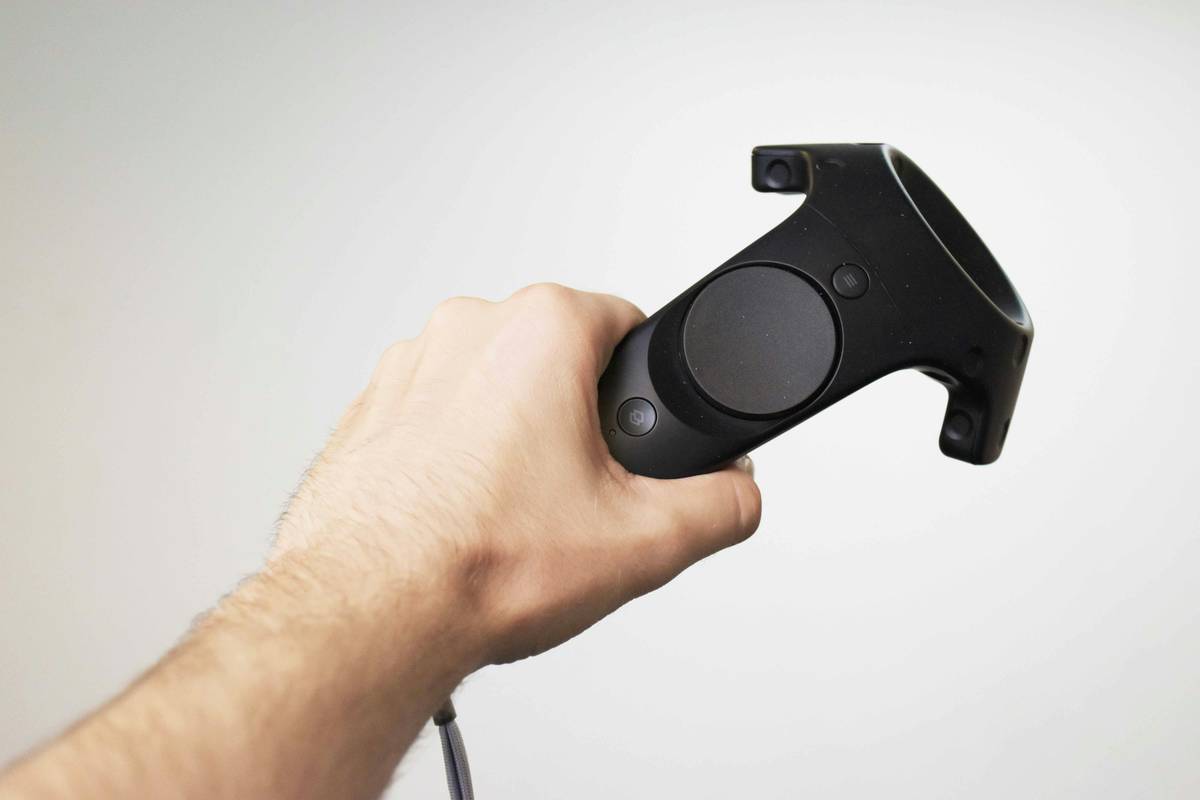
You bought the latest VR headset. You’ve got 1TB of SSD speed and a GPU that costs more than your first car. But something’s off. The game doesn’t *feel* real—because your hands are still using yesterday’s tech. Interactive reality in motion demands more than buttons and triggers. It craves muscle memory, spatial instinct, human nuance. And standard controllers? They’re digital dead weight.
The Broken Promise of “Immersive” Gaming
Most so-called motion controllers are glorified wands with gyroscopes slapped on. Sony’s Move, early Oculus Touch—great for pointing. Useless for *feeling*. They track rotation well enough. But subtle wrist flicks? Finger tension? The micro-shift when you catch yourself from falling in-game? Gone. Lost in latency or drowned by binary inputs. You’re not moving through a world—you’re puppeteering a mannequin in it. And that kills presence faster than a lag spike during boss rush.
Building True Interactive Reality in Motion: A Practitioner’s Blueprint
Forget plug-and-play hype. Real motion fidelity requires alignment across hardware, software, and biomechanics. Here’s how to engineer it:
Calibrate for Human Reflexes, Not Just Pixels
Game engines render at 90Hz. Human proprioception reacts in ~150ms. If your controller’s polling rate chugs at 60Hz or lacks haptic layering, your brain registers dissonance—even if your eyes don’t. Prioritize sub-10ms input-to-feedback loops. Valve Index nails this. Others? Not even close.
Ditch Symmetry for Asymmetrical Ergonomics
Your left and right hands don’t move identically. Yet most controllers mirror each other like cheap Bluetooth earbuds. Look for units with adaptive finger tracking (capacitive or strain-gauge based) and independent palm resistance. That’s where immersion lives—in the uneven grip when you brace for impact.
Map Physics, Not Just Inputs
A sword swing isn’t just “button press + rotation.” It’s shoulder torque, forearm pronation, deceleration mid-swing. Developers must simulate inertia curves—not animation states. Games like Bone Works get this; AAA studios still treat motion as cosmetic.
| Controller Type | Finger Tracking Resolution | Haptic Feedback Layers | Motion Latency (ms) | Suitable for Deep Interactive Reality in Motion? |
|---|---|---|---|---|
| Oculus Quest Touch | Binary (open/closed) | 1 (rumble only) | 22 | No |
| Valve Index Knuckles | 5-finger analog (strain sensors) | 3 (individual finger, palm, squeeze) | 8 | Yes |
| PlayStation VR2 Sense | Thumb + grip analog | 2 (adaptive triggers, haptics) | 12 | Partial |
| Ultraleap + Custom Rig | Full skeletal (no contact needed) | 0 (requires add-ons) | 18+ | Situational |
The Industry Secret Nobody Admits
Here’s the truth: major publishers *don’t want* perfect motion fidelity—at least not yet. Why? Because it breaks their monetization models. When players physically dodge, parry, and recover using real biomechanics, they finish games faster. No more grinding. No more microtransactions for “extra stamina.” True interactive reality in motion shifts power back to the player—and away from engagement loops designed in spreadsheets. So they throttle sensor resolution, cap haptic complexity, and bury advanced calibration behind dev-only APIs. We’ve seen internal memos where “player fatigue reduction” was flagged as a *risk*. Think about that next time your controller feels… sanitized.
Frequently Asked Questions
What makes a controller truly “motion-aware”?
It must track individual finger positions, palm pressure, and wrist orientation simultaneously—with under 10ms latency. Buttons alone won’t cut it.
Can I retrofit existing gear for better motion response?
Limited success. Adding external trackers helps spatial accuracy but can’t replicate analog grip or nuanced haptics. Hardware is half the battle.
Is interactive reality in motion only for VR?
No. AR and even flatscreen games benefit—imagine steering a racing sim by actually turning your wrists, not twirling a wheel. The input paradigm is bigger than headsets.